Living in Glendora CA: Foothill Charm, Trails, and More
May 7, 2026
May 7, 2026
Looking for a place that feels calmer than greater Los Angeles without giving up access to it? Glendora stands out for exactly that reason. You get a foothill setting, an established downtown, and a strong connection to trails and open space, all within a city that still links back to the wider region. If you are thinking about moving to Glendora or simply want to understand what makes it distinct, this guide will walk you through the neighborhoods, outdoor lifestyle, and small-town character that shape daily life here. Let’s dive in.
Glendora sits at the base of the San Gabriel Mountains, about 27 miles from downtown Los Angeles. The city describes itself as a foothill community where the 210 and 57 freeways meet, and that location helps explain its balance of convenience and breathing room.
That balance is a big part of Glendora’s appeal. It reads less like a dense suburban node and more like a compact foothill town with a preserved downtown core, long-established neighborhoods, and easy access to open space.
Glendora also has deep roots. It began as a citrus-growing community, incorporated in 1911, and today has a population of a little over 50,000. That history still shows up in the city’s street patterns, older building stock, and strong sense of place.
One of the clearest reasons Glendora feels small-town is that it has a recognizable center. The Village is the city’s oldest commercial district and still serves as the heart of community life.
Instead of feeling spread out and anonymous, the downtown area has a pedestrian-scale layout and early 1900s buildings that create a more grounded, local feel. The nearby historic district adds to that identity, with exterior changes reviewed through the city’s historic preservation process.
This kind of continuity matters when you are choosing where to live. In Glendora, the city’s past is still visible, which gives many blocks a character that newer, more uniform communities often lack.
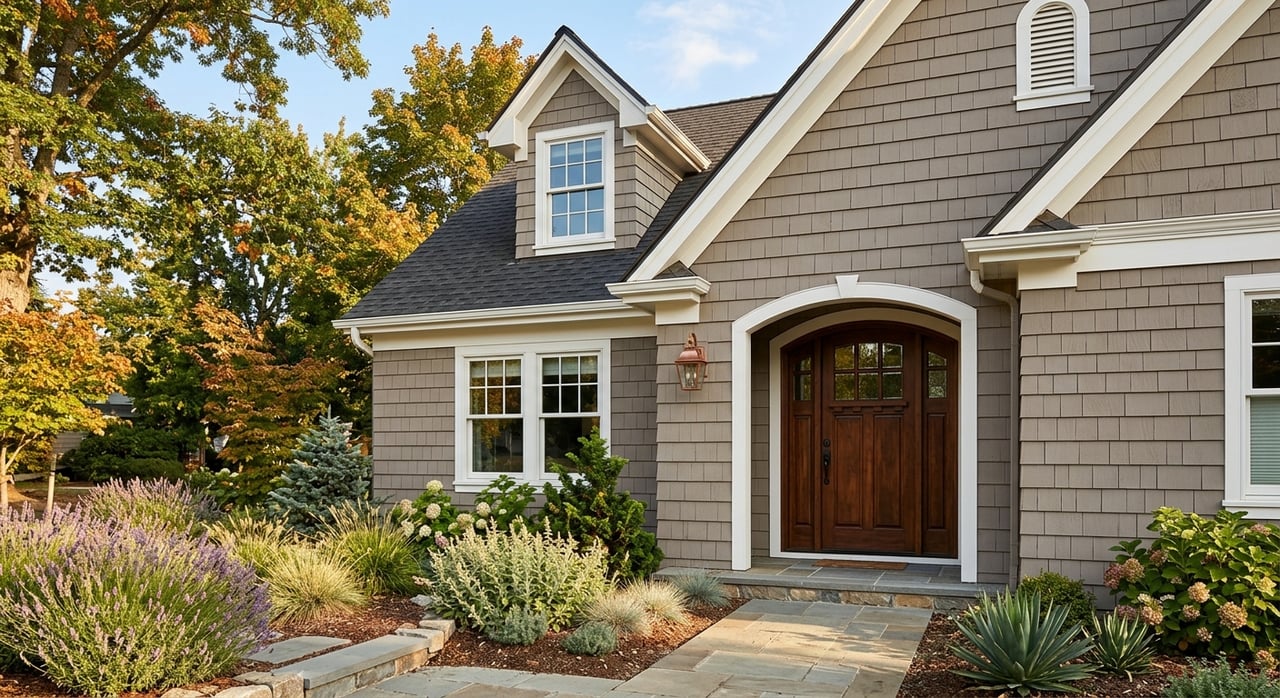
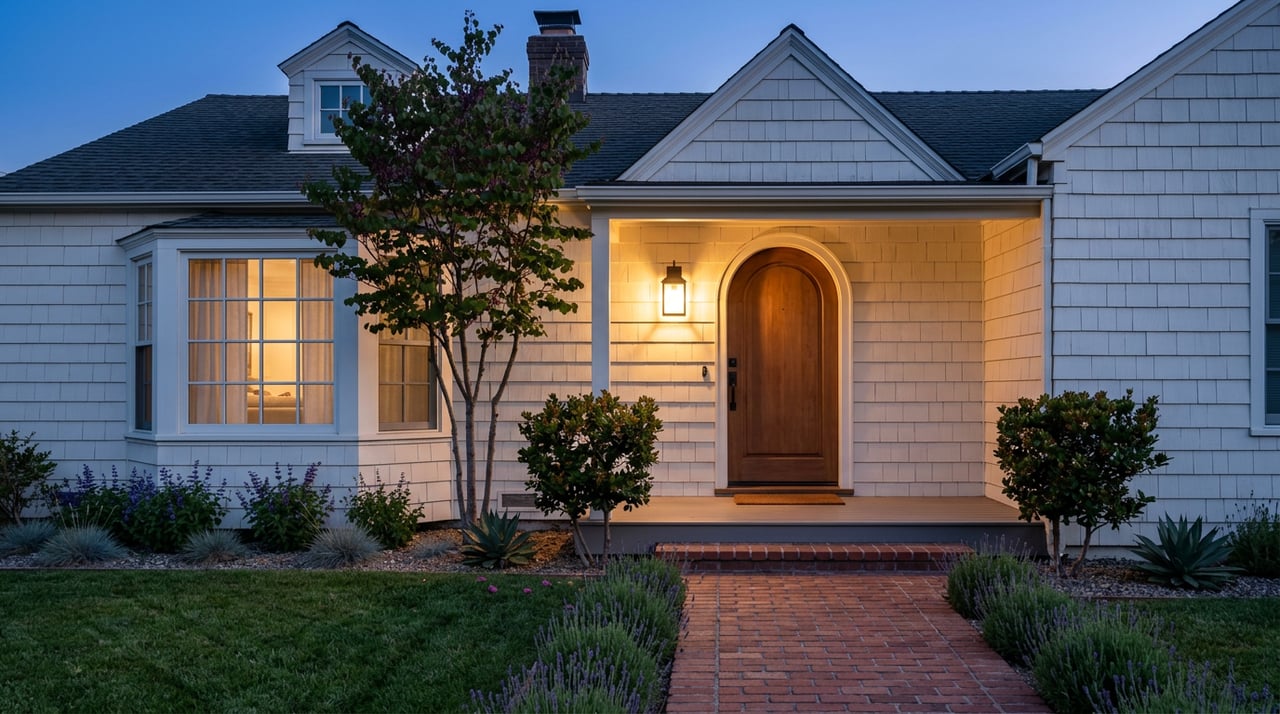
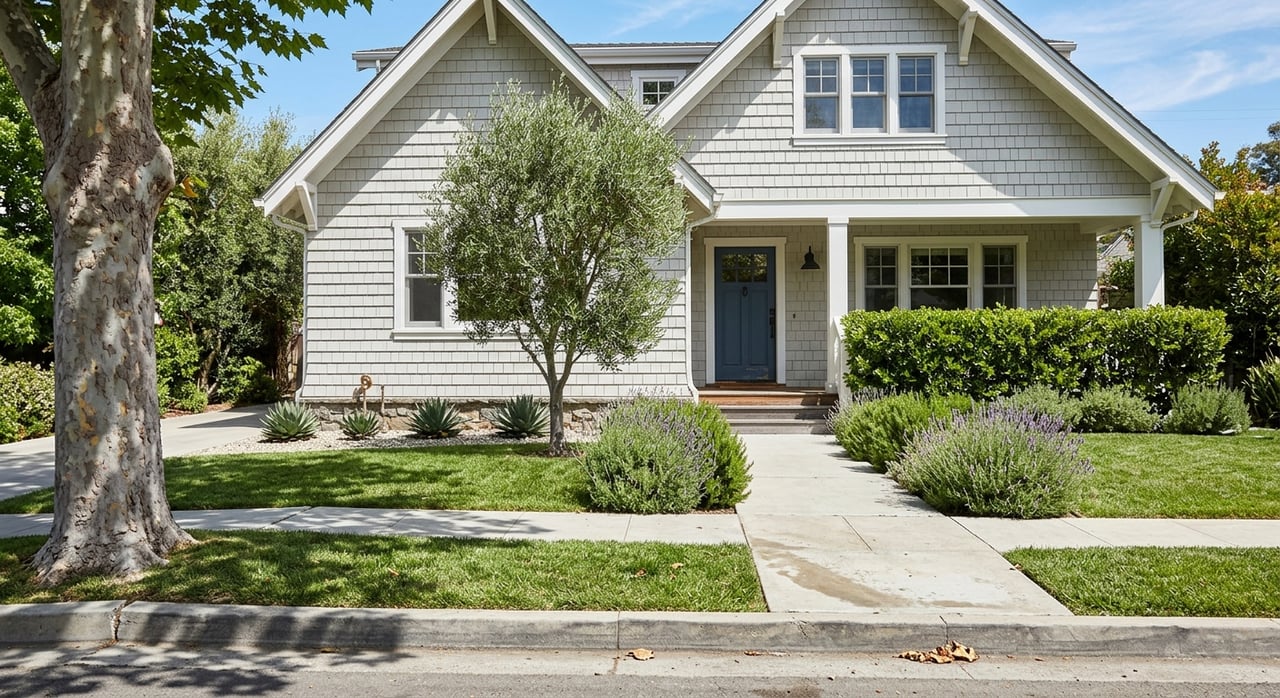
Glendora is not a one-note housing market. The city describes its housing stock as ranging from turn-of-the-century cottages to executive hillside estates, with many neighborhoods shaped by the suburban growth of the 1950s and 1960s.
That means your experience can vary depending on where you look. Some areas feel more historic and close-knit, while others reflect classic post-war residential design with larger neighborhood patterns and a more traditional suburban layout.
Because Glendora is largely built out, established housing plays a major role in the city’s identity. New growth is expected mainly on underused parcels and former school sites, which helps preserve the feel of many long-standing residential areas.
If you are drawn to walkable surroundings and older architecture, the Village area is one of the most distinct parts of Glendora. City planning documents describe a mix of commercial and residential uses around the downtown edge, which supports a more active street environment.
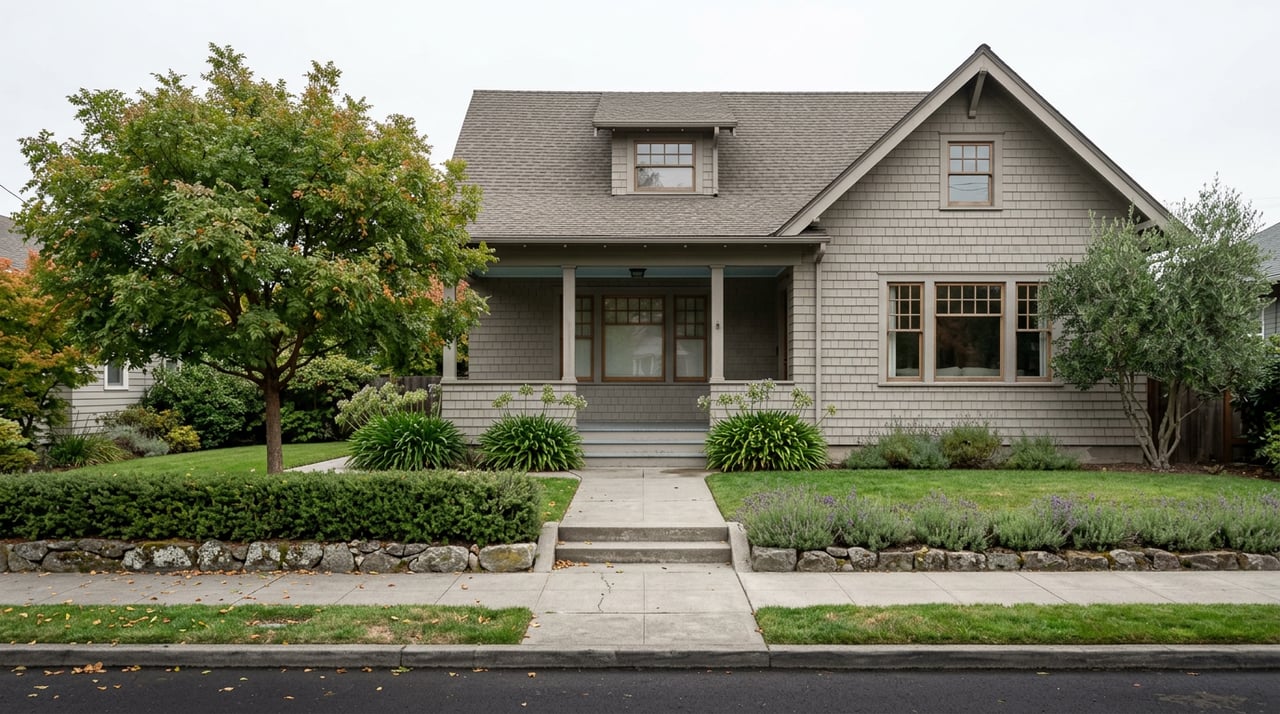
In and near this area, you may see historic folk cottages, Craftsman homes, Spanish colonial bungalows, and post-war multifamily buildings. That variety gives the district visual texture and makes it appealing to buyers who want something with architectural personality.
The Village, historic core, and station area are also the strongest walkable zones in the city. If being able to stroll to dining, services, and events matters to you, this part of Glendora deserves a close look.
Beyond downtown, much of Glendora reflects the city’s long-established residential pattern. Many neighborhoods are tied to the 1950s and 1960s era of suburban growth, which often means more consistent single-family streetscapes and mature neighborhood layouts.
For many buyers, these areas offer a practical middle ground. You get the sense of a settled community, established homes, and a city that has already grown into itself rather than one still defining its identity.
Glendora also includes hillside properties and executive-style homes. These homes are part of the city’s broader housing range and add another layer to the local market, especially for buyers looking for a foothill setting and a different sense of scale.
In a foothill city, topography shapes the housing experience. Even if you are not shopping in the upper end of the market, the hillside backdrop contributes to the city’s overall atmosphere.
If you need something other than a detached house, Glendora includes more than one housing format. The city’s land use planning notes that medium- and high-density areas can include apartments, duplexes, townhouses, and patio homes.
Near the Village and station area, you may also find small-lot single-family homes and mixed-use development. That gives buyers, renters, and investors a broader set of options than the city’s quiet exterior might suggest.
In Glendora, outdoor access is not just a bonus. It is part of how the city defines itself.
The City of Glendora says there are about 19 miles of hiking, equestrian, and multi-use trails within city limits, totaling 32 trails. These are centered mainly in Big Dalton Wilderness Area and South Hills Wilderness Area, two major open-space resources woven into the city’s identity.
For anyone who values movement, scenery, or quick access to nature, this matters a lot. You are not looking at a city where open space feels far away or separate from daily life.
Big Dalton Wilderness Area sits in the northeast foothills and covers about 563 acres with 14 trails. This part of the trail network reflects the stronger mountain-edge feel that sets Glendora apart from flatter parts of the metro.
If you want a city where the foothills are more than a backdrop, Big Dalton helps deliver that experience. It gives residents a direct way to engage with the natural setting that defines the area.
South Hills Wilderness Area is in central Glendora and covers about 248 acres with 15 trails. Because it sits so close to established neighborhoods, it reinforces the idea that outdoor access is built into everyday life here.
The trail guide describes the South Hills Backbone Trail as offering 360-degree city views, and other routes rise to ridgelines overlooking Glendora. That kind of elevated perspective adds to the city’s visual identity and sense of place.
Glendora’s trails are multi-use, which means hikers, runners, cyclists, equestrians, and people with dogs may all share the same paths. That tells you something important about local lifestyle.
The trail system is not reserved for one niche group. It supports a broad, everyday outdoor culture that fits many kinds of residents and routines.
The city’s broader planning documents emphasize that open space is central to Glendora’s character. The economic action plan points to more than 4,000 acres in the San Gabriel Mountains and South Hills connected to recreation and open space.
That larger landscape helps explain why Glendora can feel more relaxed than many parts of Los Angeles County. Even when you are in a residential neighborhood or downtown, the foothill setting is still part of the experience.
The city also envisions more than 10 miles of bike and pedestrian facilities through its People Movement Project, including about eight miles of Class I trail along flood-control channels. Over time, that kind of planning can strengthen the city’s already active, outdoors-oriented identity.
The Village is where Glendora’s small-town personality comes into focus. The Glendora Village Business Improvement District describes its mission as promoting the Village as a vital, safe, and unique place for services, shopping, dining, and cultural experiences.
City economic planning describes the Village as a three-block area filled with boutique shops and services. That scale matters because it makes downtown feel accessible and familiar rather than overwhelming.
If you value a local downtown that people actually use, Glendora offers one. It is not just a historic district on paper. It is an active part of community life.
Recurring events help reinforce the city’s local identity. Planning materials highlight events such as the Holiday Tree Lighting, Homecoming Parade, Wine Walk, and Classic Car Flashback.
Current city event listings also show an active calendar, including Culture Fest, Earth Day Festival, the La Fetra Center Picnic, the annual State of the City, and the Christmas Parade. Several of these events center on or near the Village.
For buyers, that kind of event calendar can say a lot about how a place functions. It suggests that downtown is not only a place to pass through, but also a place where community life gathers.
Many buyers want both local walkability and practical access to the rest of the region. Glendora offers a strong version of that combination.
The most walkable areas are the downtown Village, the historic core, and the station area. City planning around the station includes first- and last-mile pedestrian improvements, which supports the idea of a more connected downtown environment.
Glendora is also more regionally connected than some people expect. Metro opened the A Line extension to Glendora in September 2025, and Metro says the station is a short stroll from Glendora Village.
That means you can enjoy a quieter foothill setting while staying connected to the broader county. Metro also says travel from Union Station to Glendora Station is about 52 minutes, which helps explain why the city can feel removed from central Los Angeles without feeling isolated.
If you are buying in Glendora, pay attention to how each area matches your priorities. Some buyers will be drawn to older homes and walkable surroundings near the Village, while others will prefer established post-war neighborhoods or foothill properties with a different setting.
If you are selling, Glendora’s value often comes from its combination of character and lifestyle. The established housing stock, trail access, downtown Village, and rail connection all help tell a compelling story about the city.
Because Glendora has a mix of historic homes, single-family neighborhoods, townhomes, apartments, and hillside estates, local context matters. Pricing, positioning, and marketing should reflect not just the property itself, but also how that specific part of Glendora lives.
Whether you are buying, selling, investing, or exploring your options in Glendora, working with a brokerage that understands foothill communities can make the process clearer and more strategic. If you want thoughtful guidance backed by local perspective, Art Del Rey Realty Inc. is here to help.
Stay up to date on the latest real estate trends.
Real estate can be very personal and listening to the needs of my clients is my top priority. Contact me today!