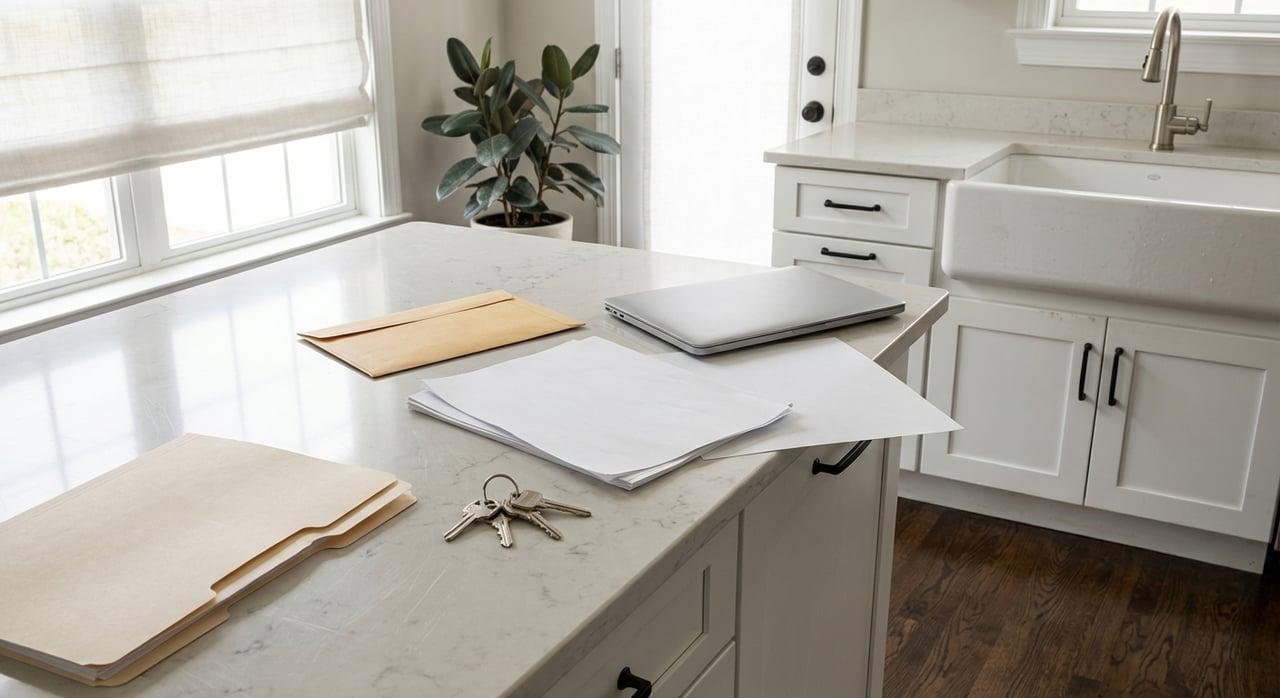
Pasadena Probate Home Sale Guide for Executors & Trustees
February 19, 2026
February 19, 2026
Losing a loved one is hard enough. Sorting out how to sell their Pasadena home can feel overwhelming, especially when the sale must follow probate rules or a trust. You want clear steps, practical timelines, and someone local who knows how the Los Angeles courts handle these sales. In this guide, you will learn the two main sale paths, what court confirmation really means, how overbids work, and which disclosures and taxes apply in Pasadena. Let’s dive in.
If you are the personal representative and do not have full independent authority, the sale is typically subject to court confirmation. After you accept an offer, you file a Report of Sale and Petition to Confirm using the California Judicial Council form GC-060. You can review the required form and what it asks for on the Judicial Council’s site in the Report of Sale and Petition for Order Confirming Sale of Real Property. See the GC-060 form details.
You also must follow the Probate Code rules for private sales, including publishing the Correct Notice of Sale and serving notice on interested parties. The court will not pass title until the judge confirms the sale and the order is recorded. The core sale provisions appear in California Probate Code sections 10300 to 10316. Read the Probate Code sale requirements.
If you are a trustee with authority under the trust, or a personal representative with independent powers under the Independent Administration of Estates Act, you can usually sell without a court confirmation hearing. These sales look and feel like a normal Pasadena listing, with fiduciary notices to beneficiaries handled outside the courtroom. A practical overview of how trust and IAEA sales differ from court-confirmed sales is available here: trust and IAEA sale basics in California.
The big difference is speed and certainty. Trust and IAEA sales can close on a typical escrow timeline. Court-confirmed probate sales add extra steps, hearing timing, and the risk of overbids.
For a probate sale that needs confirmation, the court generally requires an appraisal within one year of the hearing. The accepted price usually must be at least 90 percent of that appraised value. In California, this appraisal is typically completed by a court-appointed probate referee. If the appraisal is older than a year at the time of hearing, expect to obtain a reappraisal. Review the appraisal and 90 percent rule.
Once you accept an offer, you should promptly file the Report of Sale and Petition to Confirm (GC-060) and complete the required notices. Many courts expect quick filing after acceptance so the hearing can be scheduled on the court’s calendar. The Probate Code also requires publication of the Notice of Sale for certain private sales and detailed information in the petition. See the relevant Probate Code sections and the GC-060 form.
At the confirmation hearing, other buyers can overbid using a statutory formula. The first minimum overbid must be at least 10 percent of the first 10,000 dollars of the accepted price plus 5 percent of the balance over 10,000 dollars. Judges set the bidding steps and can require immediate proof of the ability to close. The court also has discretion to refuse overbids in some situations. Learn how the overbid formula works.
In Los Angeles County, bidders are commonly required to show proof of funds and bring a cashier’s check deposit to the hearing. Exact amounts and pre-registration steps vary by department, so come prepared with certified funds and identification. A practical rule-of-court example highlights the common need for cashier’s checks and prior registration. See a local rule example on bidder deposits.
California’s Transfer Disclosure Statement law includes exemptions for fiduciaries who sell in the course of a probate, conservatorship, guardianship, or trust. That means an executor or trustee who has not occupied the home often does not complete the standard TDS form. But you still must disclose known material facts that could affect value or desirability. When in doubt, disclose what you know and keep documentation. Review the fiduciary TDS exemption text.
California law states that deaths that occurred more than three years before the sale are not automatically material facts that must be disclosed. Deaths within the last three years should be disclosed if they are material, and you should avoid revealing protected medical information. Read the California death disclosure rule.
The Natural Hazard Disclosure is mandated in many 1 to 4 unit transfers, though fiduciary transfers have exemptions in some cases. Even if an exemption applies, Pasadena buyers often expect hazard and neighborhood data, so your team may still provide third-party reports for transparency. Confirm with escrow which statutory notices apply to your file. Overview of disclosure duties and exemptions.
Los Angeles County collects a documentary transfer tax when deeds are recorded. The Registrar-Recorder’s guidance lists the cities with additional municipal transfer taxes. Pasadena is not listed among the cities with extra tiered city transfer taxes on that page, so you should plan for the county tax. Always confirm with your escrow officer since ordinances can change. Check LA County transfer tax guidance.
Order a preliminary title report early. Liens, unpaid taxes, judgments, or easements can delay a confirmation hearing or closing. Clear what you can before the hearing so the court can approve a clean sale and the title company can insure the transfer without last-minute surprises. After confirmation, the court’s order is recorded with the deed, and escrow coordinates the final steps.
Court-confirmed probate sales add several moving parts. Expect extra weeks to obtain or update the appraisal, publish the Notice of Sale, and secure a hearing date. The hearing-to-closing period also adds time for overbids and recording. In Los Angeles County, the gap between offer acceptance and final recording can run several weeks to a few months based on the court calendar, appraisal age, and whether title issues exist. Trust and IAEA sales usually track a standard escrow timeline.
Keep these documents and steps ready to reduce delays:
A local, probate-savvy broker does more than list your property. You get guidance on pricing relative to the probate referee appraisal, how to describe the “as is, subject to court confirmation” status to attract qualified buyers, and how to package your file for a smooth hearing. You also get coordination with your attorney, title, escrow, and the probate referee so tasks like publication and GC-060 filing line up with court calendars and cut down avoidable delays. See how pricing and marketing matter in probate.
Selling an inherited home is personal, detailed work. With principal-led support and local courthouse experience, you can move forward with clarity and care. If you are an executor, trustee, or family member in Pasadena or the San Gabriel Valley, reach out to Art Del Rey Realty Inc. to plan the best path for your sale. Let’s connect.
Stay up to date on the latest real estate trends.

Real estate can be very personal and listening to the needs of my clients is my top priority. Contact me today!