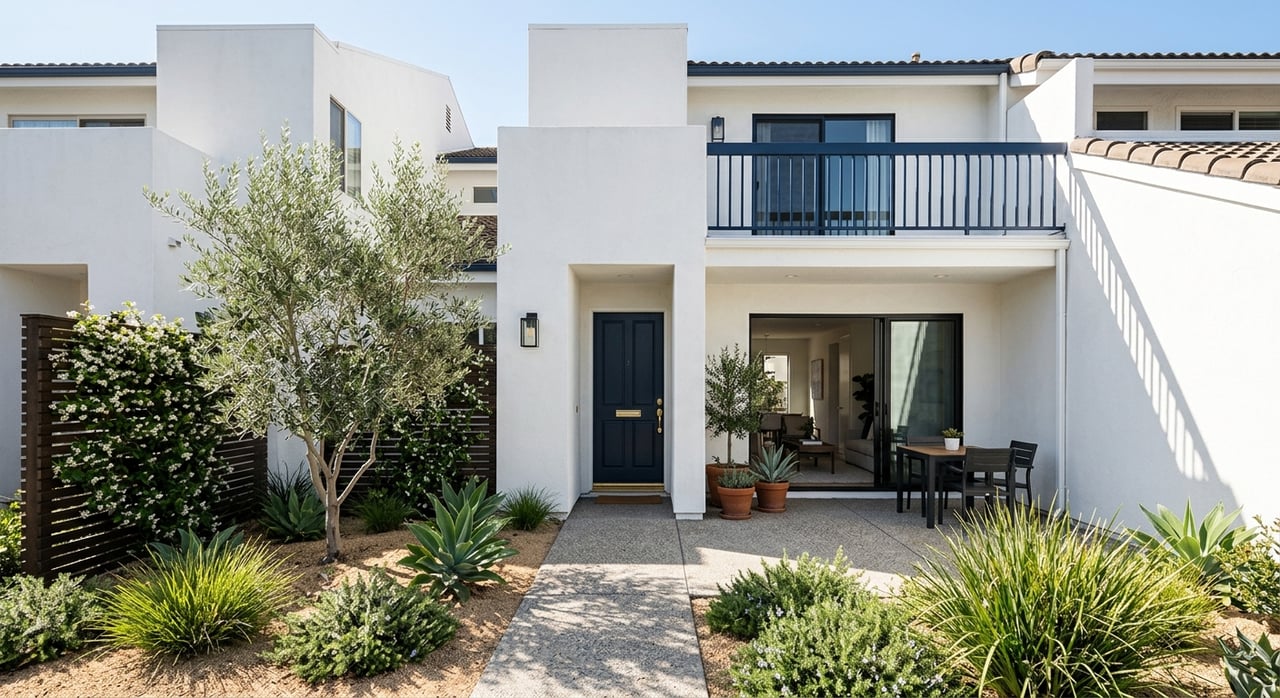
Your Guide to Buying Rosemead Condos and Townhomes
April 2, 2026
April 2, 2026
If Rosemead feels like the right location but detached-home prices feel like a stretch, you are not alone. Many buyers look at condos and townhomes here because they can offer a more affordable path into the San Gabriel Valley, along with less exterior upkeep than a standalone house. If you are weighing that tradeoff, this guide will help you understand pricing, ownership structure, HOA issues, and what to check before you buy. Let’s dive in.
In Rosemead, attached homes can create a meaningful price gap compared with detached houses. Redfin market data for Rosemead shows a median sale price of about $930,000 for single-family homes, compared with $660,000 for townhouses and $536,000 for condo/co-ops.
That means townhomes are roughly 29% below detached homes, and condos are about 42% below detached homes based on those segment medians. Rosemead’s 2024-2025 housing action plan supports the same general pattern, showing median single-family sales at $950,000 and median condominium sales at $633,000.
For many buyers, that difference is what makes Rosemead worth a closer look. You may be able to buy into the area sooner, keep your purchase budget more manageable, or get the layout you need without stretching as far as you would for a detached home.
Attached homes in Rosemead often fall into a practical size range for everyday buyers. Current examples on Rosemead condo and townhome listings include an 881-square-foot end-unit townhome with 2 bedrooms and 1 bath, a 1,363-square-foot condo with 3 bedrooms and 3 baths, and a 1,829-square-foot home with 3 bedrooms and 3 baths.
That gives you a useful baseline. In many cases, you will see 2 to 3 bedrooms and roughly 900 to 1,800 square feet, though individual communities can vary.
The other key point is that “condo” and “townhome” do not always mean the same thing legally. According to the California Department of Real Estate guide to residential subdivisions, a condominium is an ownership form, not just a building style.
A home that looks like a townhome may still legally be a condominium. In some planned developments, homes may even look more like detached houses while still falling under an HOA structure with shared common areas and governing rules.
Why does that matter to you? Because the legal setup affects what you own, what the HOA controls, what maintenance responsibilities you take on, and what restrictions may apply.
In simple terms, attached housing often comes with a tradeoff. You usually get less exterior maintenance and a lower entry price than a detached house, but you may also have shared walls, shared spaces, monthly dues, and rules that affect everyday use of the property.
If you are buying a condo or townhome in Rosemead, the HOA review is one of the most important parts of your due diligence. The California DRE subdivision guide explains that in common-interest developments, the HOA may own or control common areas and can levy assessments.
The same guide notes that CC&Rs run with the land. Those rules may cover design standards, common-area use, and other restrictions that can affect how you live in the property.
Before you move forward, make sure you review:
These documents can tell you a lot about the true cost and flexibility of ownership. A home with an attractive list price can feel very different once you account for monthly dues, future assessments, and use restrictions.
California requires important disclosures in common-interest developments, and those disclosures are especially useful for buyers trying to avoid surprises. Per the California DRE guide, sellers in these communities must furnish governing documents and financial statements, and prior board minutes must be provided if requested.
The same source also states that sellers must provide a statement if the governing documents prohibit rentals. That is a major detail if you think you may want to rent the property out now or later.
This is one reason attached-home purchases benefit from a careful, document-based review rather than assumptions based on appearance alone. A unit may look simple on the surface, but the paperwork tells you how the community actually operates.
Parking can be more complicated than it first appears in condo and townhome communities. The California DRE guide notes that driveways or parking spaces may be structured as exclusive-use common area and identified in the deed.
That means a property that appears to come with parking may still have assignment limits or usage rules tied to the HOA. Before you buy, confirm exactly how parking is defined, who controls it, whether guest parking exists, and whether any restrictions could affect your day-to-day routine.
In a practical sense, this step can save you from frustration later. Parking is not just a convenience issue. It is part of how the property functions.
If you are considering new construction or a conversion project, ask about the public report. The California Department of Real Estate public report page explains that the report summarizes material disclosures, including CC&Rs, costs, and assessments, and it must be provided before the buyer is obligated.
For a buyer, this report can be one of the clearest early windows into how the development is structured. It can help you understand the financial and legal framework before you are too far down the road.
Location is a major reason buyers consider Rosemead in the first place. The city’s general plan materials point to access from I-10 and SR-60, along with major corridors such as Valley Boulevard, Garvey Avenue, San Gabriel Boulevard, and Rosemead Boulevard.
That roadway access can make attached homes in Rosemead appealing if you want a base in the San Gabriel Valley with strong regional connections. At the same time, your day-to-day experience will depend on where the property sits within the city and how often you rely on a car.
Redfin’s local overview for Rosemead gives the city a 65 Walk Score, 43 Transit Score, and 51 Bike Score. In other words, Rosemead is car-oriented, but not entirely car-only.
The city has also announced Rosemead Go microtransit service, and it notes additional mobility resources for eligible riders. If transportation flexibility matters to you, it is worth checking how a specific community lines up with your regular routes and errands.
For many buyers, the appeal of a Rosemead condo or townhome comes down to balance. You may get a lower purchase price than a detached house, a more manageable maintenance load, and access to a convenient location within the San Gabriel Valley.
But the lower entry point is only part of the picture. HOA dues, reserve health, special assessment risk, rental rules, and parking structure can all shape the real cost and usability of the property over time.
A smart buying decision usually comes from looking at both numbers and documents together. Price gets your attention, but the HOA package often tells you whether the home truly fits your goals.
If you are comparing condos and townhomes in Rosemead, keep this short checklist handy:
If you want help sorting through those details and comparing attached-home options in Rosemead, Art Del Rey Realty Inc. offers the kind of hands-on, principal-led guidance that can make the process feel much clearer.
Stay up to date on the latest real estate trends.
Real estate can be very personal and listening to the needs of my clients is my top priority. Contact me today!