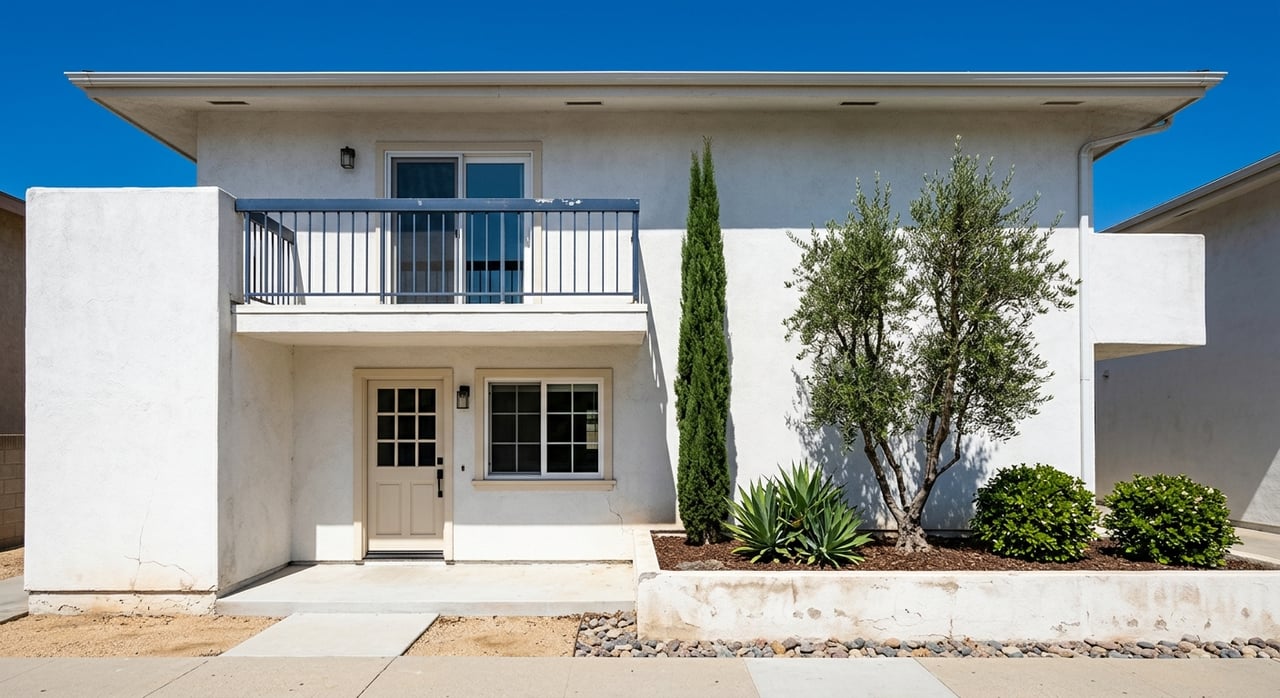
Should You Sell Your Rosemead Rental or Keep It?
July 9, 2026
July 9, 2026
Wondering whether your Rosemead rental is still worth holding? If you are weighing rent checks against repairs, vacancies, and the effort of managing the property, you are not alone. In a high-value market like Rosemead, the right answer depends less on headlines and more on how your specific property is performing. Let’s break down the key factors so you can make a clear, confident decision.
Rosemead sits in an active market, but the numbers tell a nuanced story. Recent reports show home values around $912,458 on Zillow, while Redfin reported a median sale price of $991,906 in May 2026. Market time has stayed fairly reasonable too, with about 40 to 41 median days on market depending on the source.
That matters because it suggests you are not looking at a stagnant market. Even though different platforms use different methods, the broader takeaway is consistent: Rosemead remains liquid enough that a well-positioned property can still attract attention.
On the rental side, Zillow shows average rent at about $2,950 per month, up $250 year over year. Realtor.com places the median rent estimate closer to $3,500 per month. Using Zillow's average rent against Zillow's average home value, the gross annual rent yield comes out to roughly 3.9% before expenses.
That is the key point for landlords. In a modest-yield environment, repairs, vacancy, taxes, insurance, and management costs can have a big effect on your bottom line.
Keeping your Rosemead rental often makes sense when the property is in solid condition, the tenant situation is stable, and you want ongoing income more than immediate cash from a sale. If the property is producing dependable income without constant surprises, holding may still support your long-term goals.
This is especially true if your actual numbers work better than city averages suggest. A well-maintained unit with low turnover and manageable expenses may outperform the broader market, even if average gross yield looks modest on paper.
A stable tenant can be a major advantage if your rental is already cash flowing. Less turnover usually means fewer leasing costs, less downtime, and fewer refresh expenses between occupants.
At the same time, stable occupancy can limit how quickly you raise rent in some situations. Under California Civil Code Section 1947.12, covered units generally have annual rent increases limited to 5% plus the applicable CPI or 10%, whichever is lower, and rent can typically be increased only twice in a 12-month period.
For Rosemead, the statute uses the Los Angeles-Long Beach-Anaheim CPI region. That means your future rent growth may be more controlled than you would like, depending on your current lease and the property's exemption status.
One important detail is that the state cap applies to continuing tenancies, not the initial rent for a new tenancy. In practical terms, that means when a tenant moves out, you may be able to reset rent to market for the next lease.
So if your current rent is well below market, your hold decision should factor in whether you expect long-term stability or possible turnover. A stable tenant provides predictability, but a future vacancy could create an opportunity to bring the rent in line with the market.
Not every property follows the same statewide rule. Some rentals may be exempt from the state's baseline rent cap, including certain newer properties with a certificate of occupancy issued within the last 15 years, deed-restricted affordable housing, housing already under a stricter local rent-control system, and some separately titled homes if ownership and notice conditions are met.
Before you assume your property is covered or exempt, it is worth confirming. That single detail can significantly affect your strategy if you are deciding whether to hold, re-lease, or sell.
Selling often makes more sense when the property needs major work, vacancies keep happening, or you are simply done with the day-to-day demands of being a landlord. If the rental no longer fits your time, energy, or financial goals, a sale can be a practical reset.
Rosemead's recent sale activity supports that conversation. Redfin reported that 56.8% of homes sold above list in May 2026, with a 103.6% sale-to-list ratio, while Realtor.com showed roughly 101% sale-to-list and about 40 median days on market.
Even with slight differences between sources, both sets of data point to real buyer activity. If your property shows well and is priced appropriately, selling may be more feasible than you think.
If your rental needs a major refresh, your hold costs may be higher than they first appear. Roof issues, aging systems, interior wear, and recurring maintenance calls can quickly eat into already modest yield.
In that situation, ask a simple question: will the next round of repairs improve your net income enough to justify keeping the property? If the answer is no, selling may be the cleaner move.
Some owners decide to sell not because the math is terrible, but because the effort no longer feels worth it. Coordinating repairs, handling vacancies, tracking rent increases, and staying current with California rules can wear on even experienced landlords.
If you want less hands-on involvement, selling may be one path. Another option may be to keep the property but reduce your day-to-day burden through professional property management.
If your Rosemead rental is tenant-occupied, timing matters. Under California Civil Code Section 1946.2, once all tenants have occupied the property for at least 12 months, or once at least one tenant has occupied it for 24 months, termination generally requires just cause.
That can affect how simple or complex your sale becomes. For certain no-fault terminations, the owner generally must provide relocation assistance or waive one month's rent.
This does not mean you cannot sell. It does mean your notice timing, lease status, and occupancy situation should be reviewed early so you can choose the best path forward.
Before you decide to keep or sell, move past citywide averages and look at your actual property performance. Gross rent is only the starting point.
Your decision should account for:
If your property still produces healthy net income after these costs, holding may be reasonable. If the numbers look thin or unpredictable, a sale may better protect your equity.
If you want to sell but stay invested in real estate, a 1031 exchange may be worth exploring. According to IRS guidance, like-kind exchange treatment applies to real property held for investment or productive use in a trade or business, not property held primarily for sale.
A deferred exchange also comes with strict timing rules. Replacement property must generally be identified within 45 days after the sale of the relinquished property, and the purchase must generally be completed within 180 days.
The IRS also defines the role of a qualified intermediary, who holds the funds and helps facilitate the exchange structure. For many owners, a 1031 can help preserve more equity for reinvestment, but it works best when planned carefully and early.
A 1031 exchange is usually most attractive if you want to remain in real estate but reduce concentration in one asset. You might want to trade one Rosemead property for something that better matches your income goals, maintenance tolerance, or long-term strategy.
If that sounds like your direction, the process deserves advance planning. Timelines are tight, and the replacement property search should ideally begin before you close the sale.
If you are stuck between keeping and selling, focus on these five questions:
The answer is rarely one-size-fits-all. In Rosemead, the market supports both paths, but the better choice depends on your property, your timeline, and how much work you want the rental to require from you.
If you want help evaluating your Rosemead rental, from sale timing to leasing strategy, property management, or 1031 support, Art Del Rey Realty Inc. offers hands-on, principal-led guidance built around your goals.
Stay up to date on the latest real estate trends.

Real estate can be very personal and listening to the needs of my clients is my top priority. Contact me today!