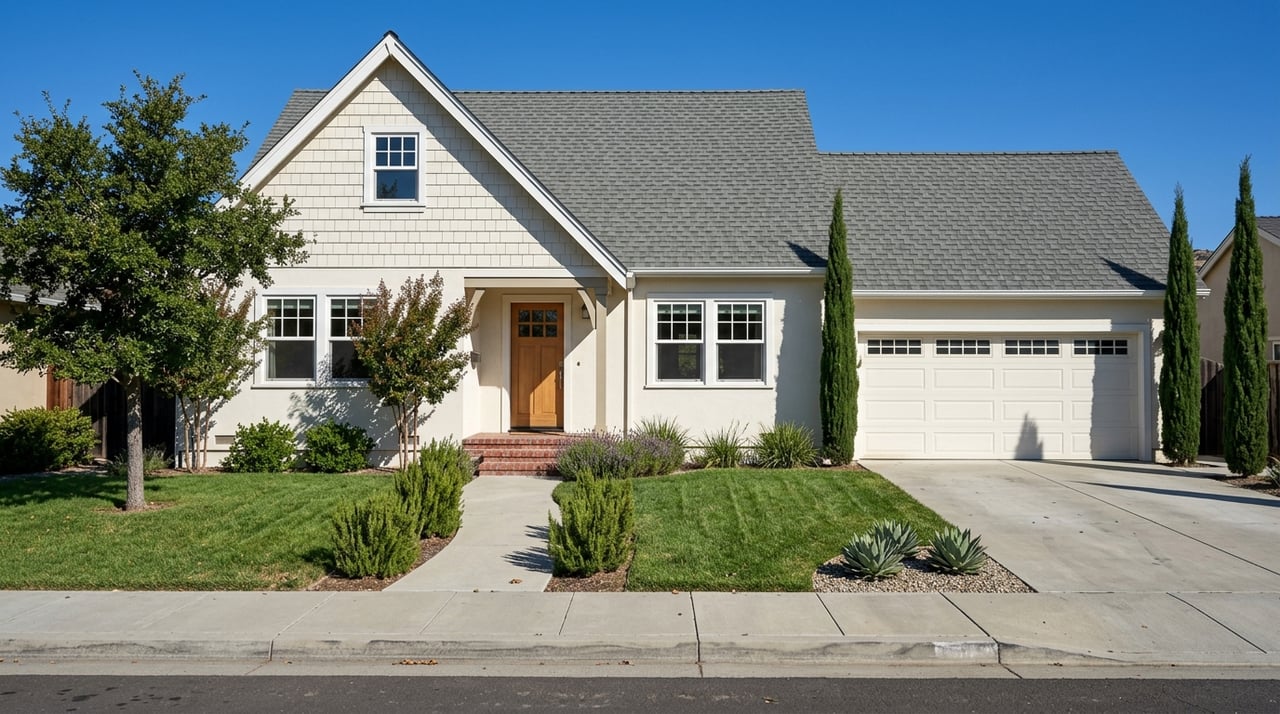
Best Glendora Neighborhoods for Commuters and Hikers
June 18, 2026
June 18, 2026
If you want a home that makes Monday morning easier and Saturday morning more fun, Glendora deserves a close look. This city gives you a rare mix of freeway access, new rail service, and foothill trails, but the experience changes a lot from one area to the next. If you are trying to balance commute time, budget, and outdoor access, the right neighborhood can make a real difference. Let’s dive in.
Glendora sits at the base of the San Gabriel Mountains, less than 30 miles from downtown Los Angeles, where the 210 and 57 freeways meet. That alone makes it appealing for buyers who want practical regional access without giving up a foothill setting.
The city also gained a major transit upgrade in 2025 with the Metro A Line extension to Glendora. According to the city, riders can reach Pasadena in less than 30 minutes and Union Station in under an hour. For buyers who want options beyond driving, that is a meaningful advantage.
On the recreation side, Glendora offers about 19 miles of hiking, equestrian, and multi-use trails within city limits. Those trails are split mainly between Big Dalton Canyon Wilderness Area in the northeast foothills and South Hills Wilderness Area in the center of town.
The key thing to know is simple: Glendora is not one uniform market. Some areas are better for station access, some are better for freeway driving, and some are better for quick trail access right from your neighborhood.
For commuters and weekend hikers, Glendora makes the most sense when you look at it in layers. One layer is rail access near Glendora Station. Another is freeway convenience around the 210 and main driving corridors. The third is foothill and trail access, which shifts depending on whether you want Big Dalton Canyon or South Hills nearby.
Big Dalton Canyon Wilderness Area is on the northeast side of the city and is accessed from Big Dalton Canyon Road off Glendora Mountain Road. South Hills Wilderness Area is more central, with access points from South Hills Park on Mauna Loa Avenue and from under the 210 Freeway on Bonnie Cove.
That geography matters in real life. North and northeast Glendora tend to make more sense for direct canyon access, while The Village and south or central Glendora are generally more convenient for rail, shuttle, bus connections, and central trailheads.
If your top priority is combining transit access with an established neighborhood feel, The Village is usually the first place to consider. Glendora Station is a short stroll from Glendora Village, and Metro notes that the station is also served by Foothill Transit Line 284.
The city adds another helpful detail for daily routines. Its A Line commuter shuttle runs from the Transit Parking Plaza at 555 E. Mountain View Ave to Glendora Station, which can make station access easier depending on where you live and park.
Housing here tends to appeal to buyers who like character and variety. The Village includes older single-family homes, condos, and townhouses, with many properties built from the early 1900s through the mid-1950s. Common styles include bungalow, Spanish, Craftsman, and midcentury ranch homes.
In pricing, this pocket covers a fairly broad range. Homes.com describes single-family homes in roughly the $700,000 to $1.3 million range, with condos and townhouses around $500,000 to $800,000, and shows a 12-month median sale price near $845,000.
For a commuter who also likes to get outside on weekends, The Village offers a balanced setup. You are not living in the most trail-adjacent foothill pocket, but you are well placed for rail service, shuttle connections, and access to central parts of Glendora.
If you expect to drive most days and want flatter streets with a somewhat lower price point than the foothill pockets, South Glendora is worth a serious look. This part of town is often the practical choice for buyers who want easy day-to-day movement rather than a mountain-adjacent setting.
Homes.com describes South Glendora as a laid-back suburban area with many midcentury ranch homes from the 1950s and 1960s. Homes and lots are generally smaller than in North Glendora, and the terrain is flatter.
For commuters, the main advantage is convenience. Buyers in this area often rely on Interstate 210 and Historic Route 66, which makes South Glendora a straightforward fit for car-first routines.
Price is another reason this neighborhood comes up often in searches. Homes.com lists a median home price of about $825,000, with current listings ranging roughly from $699,000 to $1.395 million.
If your week revolves around driving and your weekends revolve around choosing between easy local errands and a quick trip to a trailhead, South Glendora can feel like a practical middle ground. It may not be the most transit-focused or the most canyon-close option, but it often checks the everyday-livability box.
If you picture Glendora as a foothill city first and a commuter city second, North Glendora is likely the strongest match. This area is often the most appealing for buyers who want larger lots, more elevation, and quicker access to the northeast foothills.
Homes.com describes North Glendora as having spacious plots and a mix of ranch-style, Spanish Revival, contemporary, and traditional homes. Large yards, patios, and pools are common features in this area.
From a lifestyle perspective, this is the choice that leans most heavily into the foothill setting. If Big Dalton Canyon access matters more to you than being close to the station, North Glendora stands out.
The tradeoff is transportation style. Homes.com describes the area as very car-dependent with minimal transit options, so this is generally not the best fit for someone who wants to rely on rail for everyday commuting.
Pricing reflects the premium feel of the area. The median sale price is about $1.12 million, with median single-family sales around $1.20 million and median townhouse sales around $771,500.
If your ideal weekend starts at the trailhead, South Hills deserves special attention. This area is the most trail-centric of the group and is often the best fit for buyers who want outdoor access woven into daily life.
The city says South Hills Wilderness Area can be reached from South Hills Park on Mauna Loa Avenue or from under the 210 Freeway on Bonnie Cove. Its trail guide also notes that the South Hills Backbone Trail offers 360-degree views and that many trailheads connect from Bonnie Cove, Elwood, or Sunflower.
That kind of access makes a difference if you want a short drive, or possibly a short walk depending on your street, before a morning hike. For many buyers, that is the whole point of choosing Glendora over other commuter suburbs.
Housing here can vary more by specific street and product type than buyers sometimes expect. Redfin shows a recent neighborhood sale price around $729,000, while active listings range from attached homes in about the $500,000 to $700,000 range to larger foothill homes above $1 million.
In other words, South Hills is not one single product type. You may find a more accessible entry point in an attached home, or a larger foothill-style property depending on location and inventory.
Even if you expect to drive often, Glendora offers more transit support than many buyers assume. The city’s A Line commuter shuttle links the Transit Parking Plaza to Glendora Station, and the city also operates a weekend Community Shuttle.
Foothill Transit adds service along several useful corridors, including Glendora Avenue, Route 66, Foothill Boulevard, and Grand Avenue. Routes include Line 284 between Glendora, San Dimas, Covina, and West Covina, Line 488 between Glendora, West Covina, and El Monte Station, and Line 490 serving Glendora and Downtown Los Angeles.
That does not mean every neighborhood is equally transit-friendly. It does mean buyers have more than one way to think about commuting, especially if they want to mix driving, shuttle access, and rail service.
The best neighborhood depends on what you want your week to feel like. If you want the strongest mix of station access and walkability, start with The Village. If you want practical day-to-day driving and flatter streets, South Glendora is often the easier fit.
If your priority is foothill atmosphere, larger lots, and closer access to Big Dalton Canyon, North Glendora may be the best match. If your top lifestyle goal is quick access to trails in central Glendora, South Hills should be high on your list.
A simple way to narrow your search is to rank these four factors before you tour homes:
That kind of clarity can save you time. In Glendora, a few blocks can change your commute pattern, your housing options, and how easily you get outdoors on the weekend.
If you want help comparing Glendora neighborhood options at a more local, street-level level, Art Del Rey Realty Inc. offers the kind of hands-on guidance that can make your search feel clearer and more focused.
Stay up to date on the latest real estate trends.
Real estate can be very personal and listening to the needs of my clients is my top priority. Contact me today!