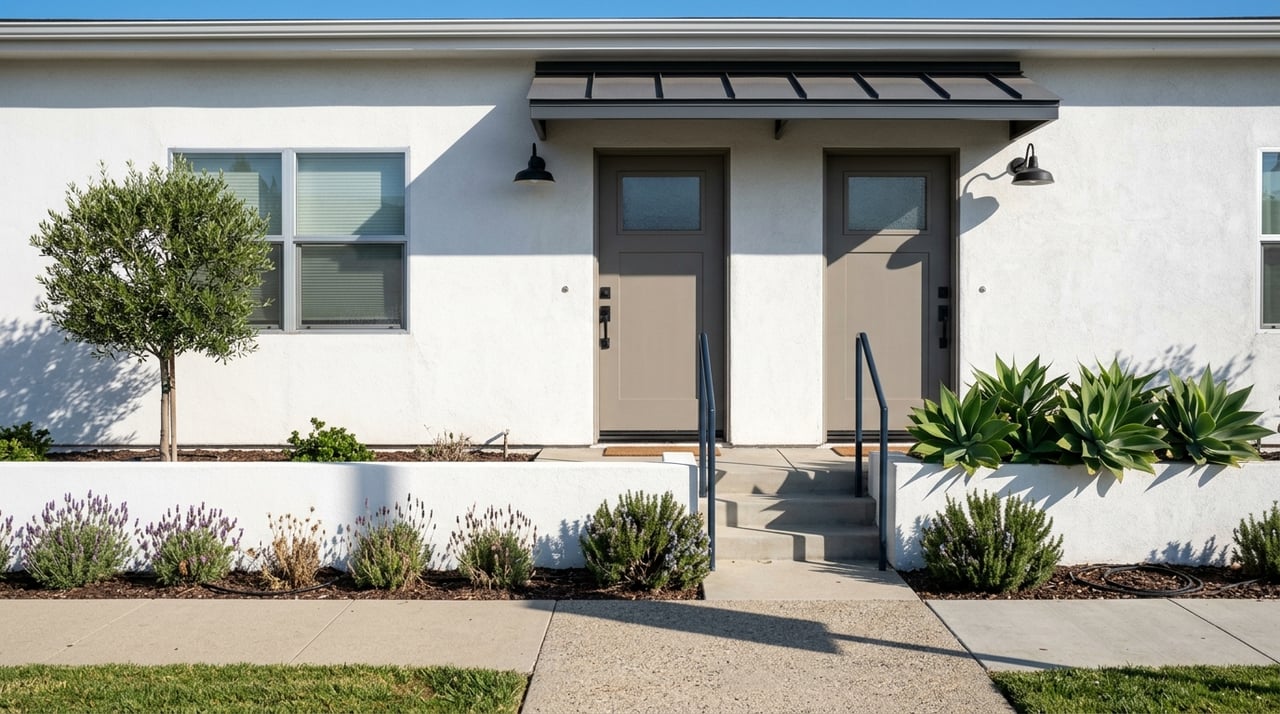
El Monte Duplex Investing Guide for New Buyers
July 2, 2026
July 2, 2026
Thinking about buying a duplex in El Monte? You are not alone. For many buyers, a duplex can offer a practical way to step into income property ownership, but the numbers only make sense when you look at price, rent, financing, and California rules together. This guide will walk you through what to watch, what to verify, and how to size up an El Monte duplex with more confidence. Let’s dive in.
El Monte has an active small multifamily market, which makes it a place many buyers look when they want rental income potential in Los Angeles County. Current listing snapshots show a mix of duplexes, triplexes, fourplexes, and other multifamily properties, so you need to read market averages carefully.
Recent portal data shows El Monte multifamily asking prices often sit in investor territory. Redfin shows 32 multifamily homes for sale with a median listing price of about $1.1 million, while Zillow and Realtor.com snapshots include examples ranging from the high $700,000s to around $1.8 million. Since those listings include different property types, they work best as a broad pricing guide rather than a clean duplex-only benchmark.
Rent is a big part of the duplex equation, especially if you are counting on one or both units to help cover your monthly costs. Zillow’s El Monte rental market summary puts average rent at $2,150 as of June 5, 2026.
For two-bedroom units, recent listings commonly fall around $2,100 to $2,300 per month. Some homes rent for more, and some duplex-related listings have shown two-bedroom units around $2,000 and $2,295. In real life, your achievable rent will depend on unit size, condition, parking, laundry, and whether you or the tenant pays utilities.
Before you compare properties, decide what kind of buyer you will be. Are you planning to live in one unit and rent the other, or are you buying a duplex strictly as an investment property?
That choice affects almost everything. It can change your financing options, your down payment, how rental income may be counted by a lender, and whether certain California tenant protections apply to the property.
If you plan to live in one unit, a duplex may be more accessible than many first-time investors expect. HUD says FHA loans can be used on one- to four-unit properties, with down payments as low as 3.5 percent for qualified buyers.
Freddie Mac also notes that rental income from units not occupied by the borrower may be used to help qualify on a two- to four-unit primary residence. That does not mean projected rent is accepted automatically, though. Lenders still review income, assets, debts, and the property details closely.
If you plan to rent out both units, the property needs to work more clearly as a business decision. You will want to study the current rent roll, expected expenses, and the California rules that may affect future rent increases and tenancy changes.
For pure investors, small mistakes in assumptions can have a big effect on cash flow. That is why it helps to evaluate legal use, operating costs, and tenant status before you get attached to the property.
A simple duplex review starts with income, not the list price alone. First, estimate the gross scheduled rent from both units. Then subtract likely operating costs before you compare the remaining income to your monthly loan payment.
Key expenses can include:
This income-first approach matches how small multifamily property is commonly evaluated. For two- to four-unit properties, the income approach plays an important role in valuation, which is one reason rent quality matters so much on duplex deals.
It is easy to overestimate income when a property looks clean or newly updated. In El Monte, rent can vary meaningfully based on features that tenants notice right away.
Ask practical questions like these:
One of the biggest early mistakes buyers make is assuming future flexibility. If you are buying because you hope to add a unit, rebuild, convert space, or add an ADU, you need to confirm the parcel details with the City of El Monte before relying on that plan.
El Monte’s Planning Division handles zoning and land-use information. The city states that a zoning clearance is required for new residential buildings with up to two detached or attached units per lot, and also for ADUs.
The city zoning code includes multifamily residential districts such as R-2, R-3, and R-4. That does not mean every lot offers the same development options, so parcel-specific review is essential.
Before writing an offer, make sure you confirm the basics of legal use and physical condition. A duplex investment only works well when the paperwork, rent roll, and actual building all line up.
Your review should include:
In California, ownership responsibilities do not begin after closing. They begin the moment you decide what kind of duplex you want to buy.
The California Tenant Protection Act can affect rent growth and tenancy decisions on covered properties. The law limits annual rent increases to 5 percent plus the regional CPI, or 10 percent total, whichever is lower, and it adds just-cause eviction protections after 12 months.
The law includes an important duplex exemption. A duplex may be exempt if the owner occupied one unit as a principal residence at the beginning of the tenancy and continues to live there.
That distinction is one reason owner-occupied duplexes are often analyzed differently from investor-owned duplexes. If you are comparing both paths, this is a major part of the decision.
California also requires written notice for rent increases. The notice period is 30 days if the increase is 10 percent or less, and 90 days if it is more than 10 percent.
For a small landlord, this is more than a technical detail. It is part of day-to-day operations, along with lease files, tenant communication, and timely recordkeeping.
A duplex can create opportunity, but it also creates responsibility. California requires residential units to be kept habitable, including working plumbing, heating, electrical systems, weatherproofing, locks, and sanitation.
That means you should budget for ongoing maintenance from the start. A property that looks affordable on paper can become much more expensive if deferred repairs show up right after closing.
Deposit handling is another area where small landlords need to be careful. For most landlords in California, the security deposit is limited to one month’s rent after July 1, 2024.
The law also allows only specific deductions and requires an itemized accounting and refund within 21 days after move-out. If you plan to self-manage, these details matter just as much as your purchase price.
Fair housing rules apply to landlords, property managers, real estate agents, lenders, and other housing providers. For duplex owners, that means your advertising, screening, communication, and leasing practices all need to be handled consistently and lawfully.
This is one reason many investors value having experienced support as they buy, lease, and manage a small income property.
A duplex can make sense in El Monte when the rent potential, condition, legal use, and financing all support your plan. For some buyers, the best path is living in one unit and using the second unit to help offset housing costs. For others, the right fit is a fully rented property with clear numbers and manageable operating needs.
The key is not to look at asking price alone. You want the full picture, including realistic rents, local zoning review, current expenses, and the California rules that can shape your flexibility after closing.
If you are exploring duplex opportunities in El Monte, working with a brokerage that understands income property, leasing, and ongoing management can help you make a more informed decision. When you are ready to talk through your options, connect with Art Del Rey Realty Inc..
Stay up to date on the latest real estate trends.

Real estate can be very personal and listening to the needs of my clients is my top priority. Contact me today!