The Arboretum Has a New Bird Guide and a Lake Being Drained, So This Winter's Birding Moves Into the Trees
November 12, 2026
November 12, 2026
The Los Angeles County Arboretum picked mid-November for the launch of Birds of the Arboretum, its new pocket field guide. It set the launch for Sunday, Nov. 15, with Pasadena Audubon Society guides leading bird walks for beginners and experienced birders. Copies are sold in the Gift Shop. The launch walk sold out.
Half a mile of paths from that Gift Shop, crews are pumping the water out of Baldwin Lake.
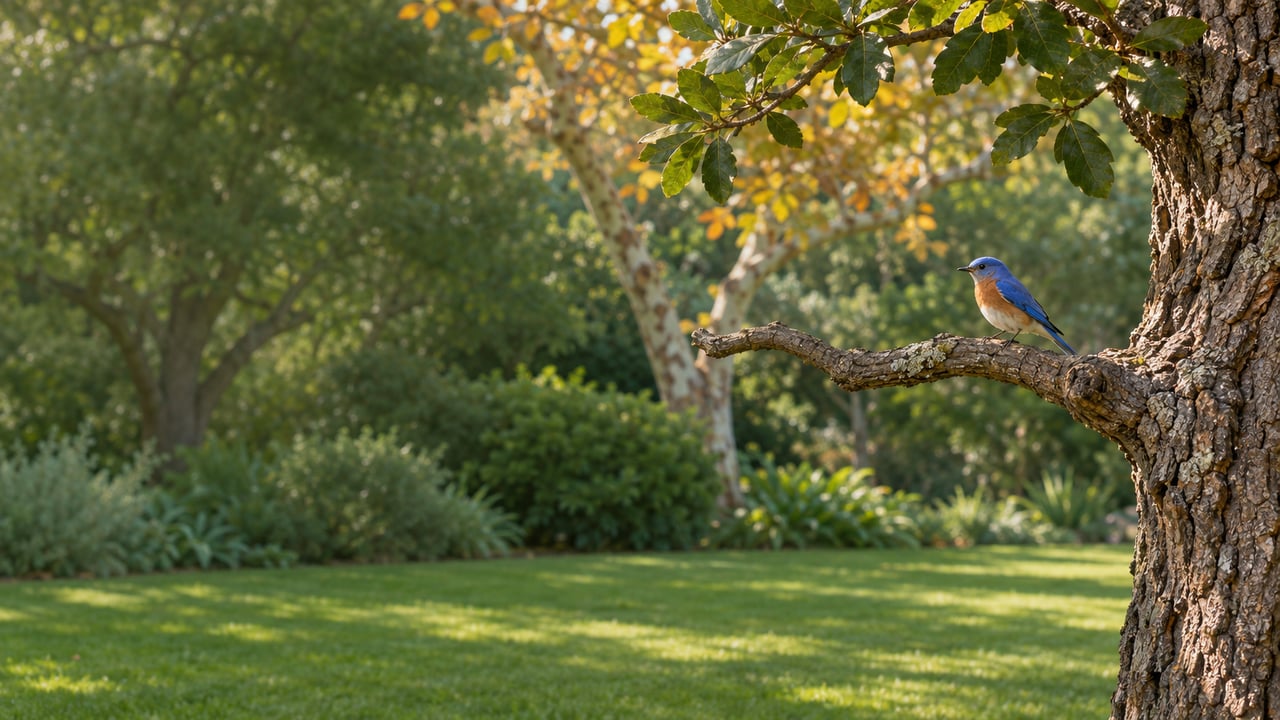
On the Arboretum's wildlife page, nearly every bird is one you would see on or near the lake: Belted Kingfisher, Black-crowned Night-Heron, Great Blue Heron, Snowy Egret, Cinnamon Teal, Ruddy Duck, Wood Duck, Mandarin Duck and Canada Geese. The Arboretum expects those birds to leave the lake while the work goes on, and to come back once construction is done and the water returns. Anyone who heads out with the new guide this winter will spend most of the walk under the trees.
The Baldwin Lake & Tule Pond Restoration is a joint project of the Los Angeles County Flood Control District, the county Department of Parks and Recreation, and the Arboretum Foundation. The reason for it is depth. In the late 1880s the lake was dredged to 12 to 15 feet. Today it is roughly 2.5 to 3 feet deep, after more than a century of sediment and runoff settling on the bottom.
Ames Construction holds the construction contract. Pre-construction work started July 20, 2026. Pasadena Now covered the groundbreaking in early September. It reported that most of the money comes from the Safe Clean Water Program, with smaller amounts from the Flood Control District and the county's Proposition A park funds.
LA County Public Works posts weekly progress on its project page. Here is how the fall has gone:
The county's schedule has construction ending in October 2027. The Arboretum says fall 2027.
The Arboretum's plan for the birds is simple. They will leave the lake on their own while the work goes on. A biologist checks for nests and protects any birds found during construction. The waterfowl and migrating birds are expected to come back once the work is done and the lake fills again. The carp were caught earlier and moved to other ponds on the grounds. Once construction ends, mosquito fish will go back into the lake to keep mosquitoes down.
Some geese are still around. Two eBird checklists from the Arboretum on Nov. 8, 2026 recorded Canada Geese, 12 on one list and 13 on the other. Those lists cover the whole garden, so they don't say where on the grounds the geese were.
A year ago the lake was full. A complete eBird checklist from the Arboretum on Nov. 4, 2025 counted 24 species. Several of them, including Ruby-crowned Kinglet, Yellow-rumped Warbler, White-crowned Sparrow and Cedar Waxwing, spend their time in trees, hedges and lawn edges, not on open water. This winter, birds like these will fill most of the new guide's pages that actually come into play.
The best-known birds on the grounds are also land birds. The Arboretum's Indian Peafowl descend from several pairs that Elias Jackson "Lucky" Baldwin brought over from India in 1879. They have since naturalized, and the Arboretum now counts "well over two hundred" of them. They are most active before noon and again in the evening. Their display season runs from spring into early summer. The Arboretum asks visitors not to feed them, because feeding throws off their diet and can make them aggressive. Small children are the most likely to get bitten or climbed on.
The Arboretum's Cedar Waxwing sightings page gives specific spots. Its most recent sightings had the flocks eating from the Chinese Fringe tree in Crescent Farm, and from olive-like fruit on tall trees near the back of the Rose Garden, beside a drinking fountain.
| What to look for | Where the Arboretum or eBird places it | Best timing |
|---|---|---|
| Indian Peafowl | Throughout the garden | Before noon and early evening |
| Cedar Waxwing | Chinese Fringe tree in Crescent Farm; fruiting trees at the back of the Rose Garden | When the fruit is on the trees |
| Yellow-rumped Warbler, Ruby-crowned Kinglet, White-crowned Sparrow | On the Arboretum's early-November 2025 eBird list | Morning walks |
| Canada Geese | Logged at the Arboretum on Nov. 8, 2026 | No set time |
The longer record goes back much further. The Arboretum's 2021 checklist, built on the American Ornithologists' Union list, counts 260 species seen on the grounds since record-keeping began in the 1940s. Species seen often in their season are printed in bold.
The construction schedule points to weekends. The Arboretum says crews work Monday through Friday from 7 a.m. to 4 p.m., with no work planned on weekends, holidays or red flag warning days. The county's August community meeting materials add that Public Works may approve the occasional Saturday of work, but sediment hauling won't happen on Saturdays. On weekdays, the Arboretum compares the noise to loud yard equipment.
Parking in the Main and South lots works as usual. Most of the garden and most of its paths stay open, with fencing around the construction zones. With 127 acres in all, much of the garden is far from the lake.
For the peafowl, the opening hour is worth catching. The Arboretum, at 301 N. Baldwin Ave., is open 9 a.m. to 5 p.m. with last entry at 4:30 p.m. Members can enter at 8 a.m. It is closed Dec. 25. General admission is $18 for adults, $14 for students with ID and seniors 62 and older, and $8 for children 3 to 12. Children 2 and under get in free, and members are always free. The Arboretum asks visitors to buy tickets online before they come.
To see waterbirds this winter, go to Peck Road Water Conservation Park. Two eBird checklists from Nov. 8, 2026, the same day the geese were logged at the Arboretum, recorded Canada Geese, Mallards, Ruddy Ducks, American Coots and a Great Blue Heron at Peck Road. Ruddy Duck and Great Blue Heron are both pictured on the Arboretum's wildlife page. A morning at Peck Road plus a weekend loop through Crescent Farm and the Rose Garden covers more of the new guide than a walk around Baldwin Lake can this year.
The Arboretum's regular walks with Pasadena Audubon meet on the second Sunday of each month at 8 a.m., which makes the next one Sunday, Dec. 13. The walks are free but open only to Arboretum members and Pasadena Audubon Society members. Space is limited and you have to register online. Tickets open at 9 a.m. on the Tuesday before each walk, which for this one is Dec. 8. Walks are canceled if it rains. Pasadena Audubon lists its upcoming outings on its field trips page.
The county expects the lake to be finished in October 2027. When it fills again, the waterbird pages of the new guide will be useful there again.
At Art Del Rey Realty, we have watched the Arboretum's seasons from our Arcadia office for a long time, and Pamela is always glad to swap notes about a good Sunday morning walk or about the neighborhoods just off Baldwin Avenue. If you have a question about either, let's connect.
Stay up to date on the latest real estate trends.

Real estate can be very personal and listening to the needs of my clients is my top priority. Contact me today!